Lighting
Fibre Optic Galaxy Ceiling Lighting
A fibre-optic galaxy ceiling — often called a starry-sky or star ceiling — uses hundreds of fine optical fibres that end as tiny points of light in your ceiling. All the fibres are fed from a single light source hidden above the ceiling, so the stars themselves carry no electricity and produce no heat.
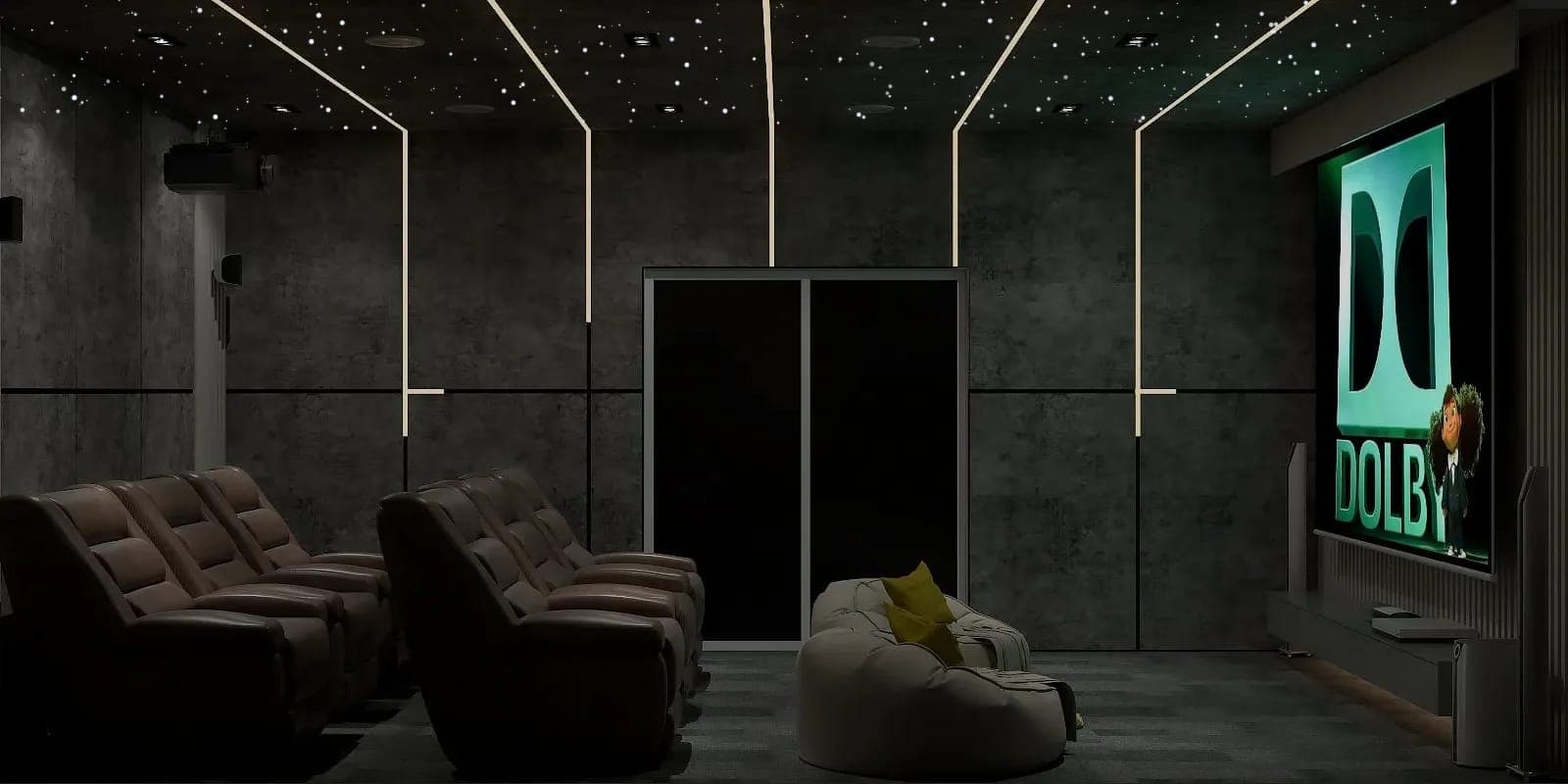
What it is
Fibre Optic Lighting, in plain language
The light source can make the stars twinkle, shift slowly in colour, or fade gently to a dim night-sky glow. Fibres of different diameters create bright "near" stars and faint "distant" ones, and they can be arranged into real constellations or a shooting-star effect.
Where to use it
- Home theatresThe classic choice: a night sky that dims as the film starts.
- BedroomsA soft, low-level starfield that doubles as a night light.
- Kids’ roomsConstellations and a gentle twinkle that make bedtime easier.
- Lounges, bars and spasAn atmospheric ceiling that becomes the talking point of the room.
- Hotels and restaurantsSignature ceilings in lobbies, corridors and private dining rooms.
Benefits
Why it is worth it
No heat, no electricity at the star
Only light travels through the fibres, so they are safe in any ceiling.
Easy to maintain
The light source sits in one accessible spot; the fibres themselves rarely need attention.
Endless effects
Twinkle, colour change, shooting stars and constellations from one controller.
Works with automation
The starfield can be part of a "Movie" or "Night" scene.
Options & specs
How to choose
- Star count and density
- From a few hundred to over a thousand points, depending on room size and the look you want.
- Fibre sizes
- Mixed diameters for depth — bright foreground stars and faint background ones.
- Colour modes
- Cool white, warm white or full RGBW colour with slow transitions.
- Ceiling base
- Gypsum, acoustic panels or a printed stretch ceiling with a sky image behind the stars.
See it
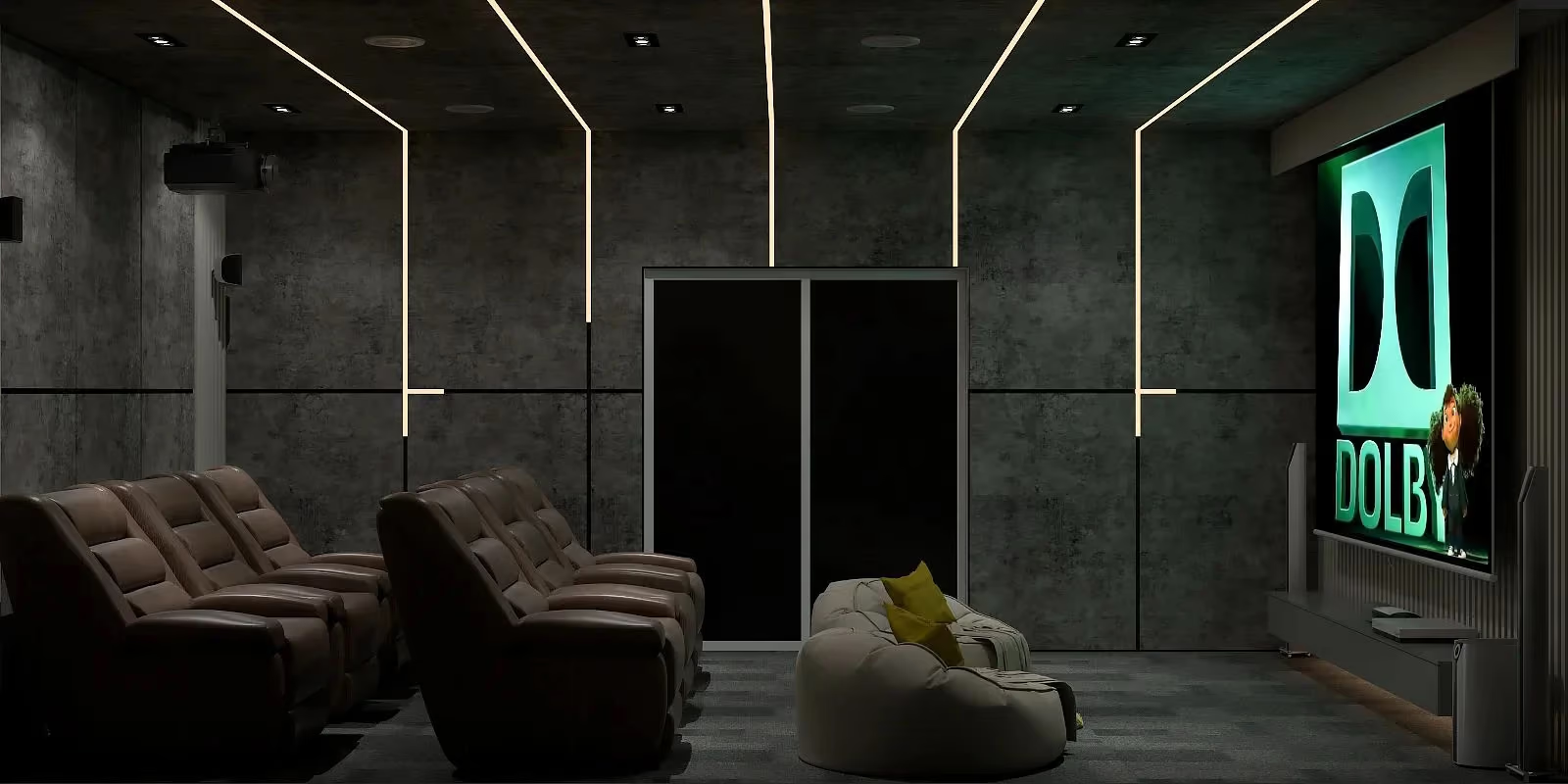
Fibre Optic (Galaxy) Lighting in a real space
Our process
From first visit to years of support
- 01
Listen & Design
We agree star density, colours and any constellation patterns with you, using our live demo as a guide.
- 02
Develop
We plan fibre harnesses and the light-source location so it stays accessible for service.
- 03
Integrate & Install
Fibres are threaded and trimmed flush on site, then the effects are programmed.
- 04
Operate (AMC)
AMC covers the light engine and controller, and reprogramming effects if you want a change.
Brands we use
Products we supply and integrate
- Lumvel
FAQ
Fibre Optic Lighting questions
How many stars do I need?
It depends on the room size and the effect. A small bedroom may look best with a few hundred points; a large home theatre often uses many more. Our live demo lets you get a feel for density before you decide.
Do the stars get hot?
No. The fibres carry only light — the electronics are in a single light source above the ceiling.
Can a galaxy ceiling be added to an existing room?
Usually yes, either through the existing false ceiling or by adding a new panel or stretch ceiling below it.
Can it be controlled from my phone?
Yes. The light source can be controlled from a remote, an app or your home automation system.
Start a conversation
Interested in fibre optic lighting?
Send us a photo or a floor plan on WhatsApp — we will suggest options and arrange a site visit.