Safety & Security
Smart Home Sensors
Sensors are the senses of a smart home. Motion and occupancy sensors know when someone is in a room; daylight sensors know how much natural light there is; smoke, gas and water-leak sensors detect danger early.
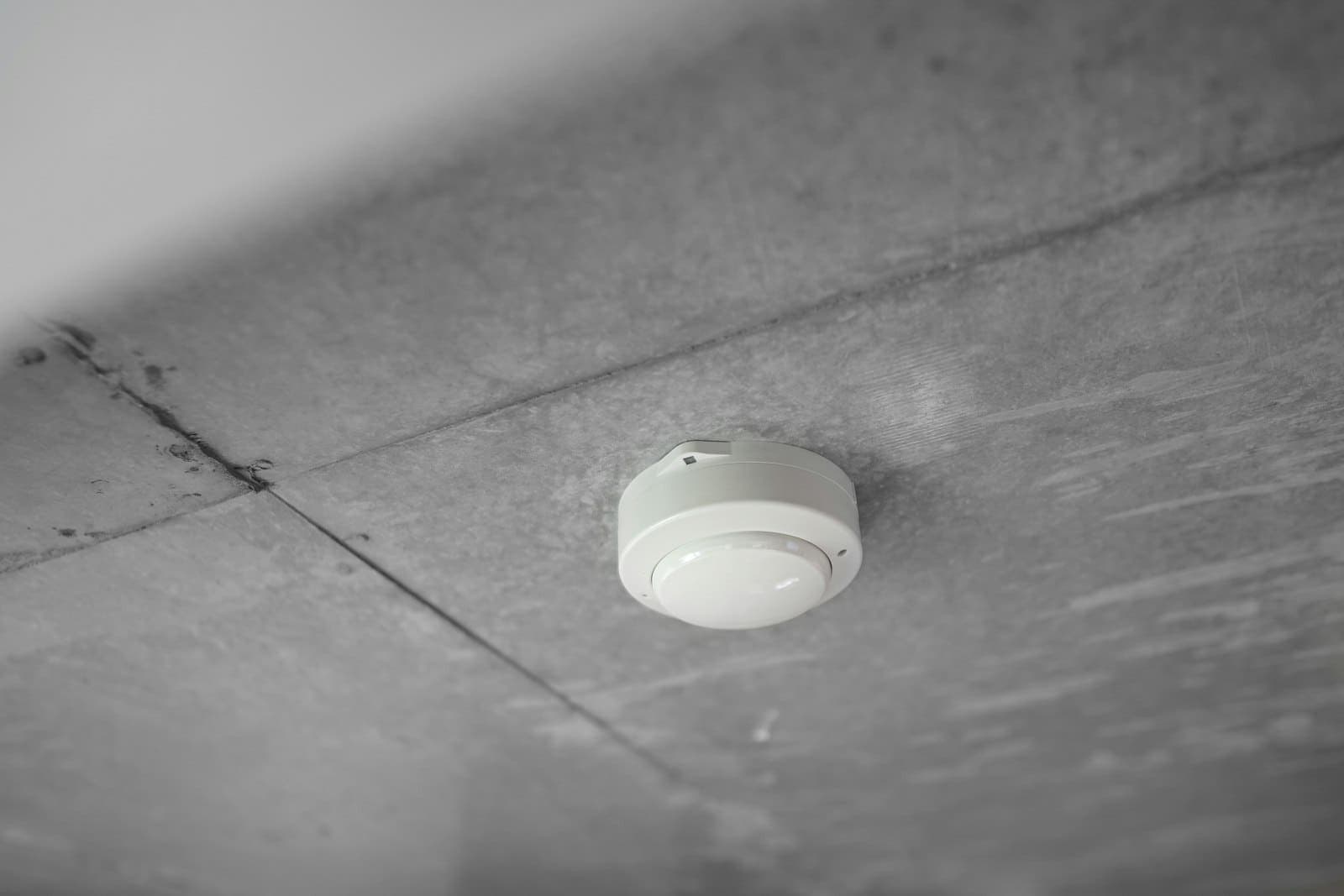
What it is
Sensors, in plain language
On their own, sensors raise alerts. Connected to your automation, they act: lights switch on as you walk into a corridor at night, switch off in empty rooms, dim when there is enough daylight, and the water supply can be shut off if a leak is detected.
Where to use it
- Corridors, stairs and toiletsLights that turn on as you enter and off when you leave.
- KitchensSmoke and gas leak detection with alerts.
- Bathrooms and utility areasWater-leak sensors near geysers and washing machines.
- Offices and common areasOccupancy and daylight control to save energy.
Benefits
Why it is worth it
Safer home
Early warning of smoke, gas and leaks.
Lower energy use
Lights and AC off in empty rooms.
Hands-free convenience
Night paths and auto-lighting where you need it.
Care for elders
Gentle night lighting and inactivity alerts.
Options & specs
How to choose
- Presence
- PIR motion, microwave and mmWave presence sensors.
- Environment
- Daylight, temperature and humidity sensors.
- Safety
- Smoke, heat, gas and water-leak detectors.
- Connectivity
- Wired or wireless, linked to your automation and alarm.
See it
Want to see sensors we have installed?
Message us and we will share photos and videos of recent projects near you.
Our process
From first visit to years of support
- 01
Listen & Design
We note where automatic lighting, safety and energy savings matter most.
- 02
Develop
We choose sensor types and positions to avoid false triggers.
- 03
Integrate & Install
We install, set sensitivity and timeouts, and link sensors to scenes and alerts.
- 04
Operate (AMC)
AMC covers battery changes, sensitivity tuning and test alarms.
Brands we use
Products we supply and integrate
- Legrand
- BTicino
FAQ
Sensors questions
Will lights switch off while I am sitting still?
Basic motion sensors can. For rooms where you sit still, we use presence sensors that detect tiny movements, like breathing.
Do sensors need batteries?
Wireless sensors do, usually lasting a year or more. Wired sensors do not.
Can a gas sensor shut off the supply?
Yes, when paired with a compatible shut-off valve.
Can sensors save energy?
Yes — switching lights and AC off in empty rooms and dimming lights when there is daylight both reduce consumption.
Start a conversation
Interested in sensors?
Send us a photo or a floor plan on WhatsApp — we will suggest options and arrange a site visit.